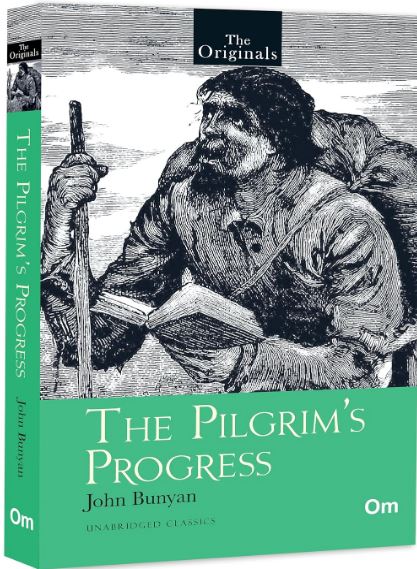
John Bunyan’s The Pilgrim’s Progress (1678, 1684), published in two parts, traces the journey of a man named Christian from The City of Destruction (representing earth) to the Celestial City (representing heaven). Christian’s travels are a symbolic representation of a man’s pilgrimage through life. As he journeys towards heaven, Christian meets several characters such as Pliable, Hopeful, Discretion, Piety, Prudence, and Charity who are the epitome of certain qualities, which can hamper or help his progress. Bunyan mixes the lofty language of the King James Bible with the colloquial language of his time in this renowned allegorical work. Christian’s journey is imbued with a do-or-die dramatic intensity and Bunyan gives theological concepts flesh- and-blood form.